

7 Natural Pre-Workout Options for Women Who Want Clean Energy
Quick Summary

A natural pre-workout gives you energy before training from ingredients you can read and recognize, without synthetic additives, heavy sugar or a jittery crash. Options include plant-derived caffeine drinks like Joggy, caffeine-free foods, and beetroot juice. Check the caffeine amount and label before you buy.
- Joggy Cherry Lime and Pineapple Crush each list 150mg of naturally occurring caffeine per serving.
- Both Joggy flavors list no added sugar and cost $64.99 each.
- The Joggy Variety Pack includes Cherry Lime, Solar Mango and Pineapple Crush for $35.99.
- A 2025 review of 24 studies reported improved physical performance with pre-workout supplements.
- Check the label carefully, since plant-derived caffeine amounts vary across products.
Table of Contents
- Why Women Look for a Natural Pre-Workout
- How We Evaluated Each Option
- Quick Comparison: Joggy Flavors Side by Side
- 1. Cherry Lime: Tart Citrus Energy Without Added Sugar
- 2. Pineapple Crush: Tropical Lift for Early Sessions
- 3. Joggy Energy and the Variety Pack: Trying Every Flavor
- Pre-Workout Foods for Women to Pair With Your Drink
- Picking the Right Natural Pre-Workout for Your Next Session
- Frequently Asked Questions
7 Natural Pre-Workout Options for Women Who Want Clean Energy
Last Updated: October 30, 2026
Why Women Look for a Natural Pre-Workout
Many women who train regularly want energy before a session without the synthetic ingredients, heavy sugar or jittery crash that come with many conventional drinks.
The market is growing. One market report estimates the global pre-workout-for-women category at USD 1.5 billion in 2025, with a projected 12% compound annual growth rate (Pre-Workout for Women Market Size and Industry Growth 2030).
Natural pre-workout is not a single product type. Some options are caffeine-free, some use plant-derived caffeine, and some lean on food. Joggy drinks use plant-derived caffeine, so the label matters as much as the marketing.
How We Evaluated Each Option
We judged each option on the same criteria so the comparison stays fair.
Here is what we checked:
- Caffeine source and amount per serving
- Added sugar and juice content
- Certifications such as USDA Organic and vegan or non-GMO labels
Quick Comparison: Joggy Flavors Side by Side
The three Joggy flavors share a base formula but differ in taste and when they suit your routine. Here is how they compare on the details the listings provide.
| Flavor | Caffeine per Serving | Added Sugar | Best For | Price |
|---|---|---|---|---|
| Cherry Lime | 150mg (750mg AmaTea Max) | None | Tart, citrusy sessions | $64.99 |
| Pineapple Crush | 150mg (750mg AmaTea Max) | None | Tropical lift before early workouts | $64.99 |
| Solar Mango | Listed in variety pack | Listed as no added sugar in range | Trying a mango flavor | See variety pack |
Best for: Anyone who wants to test flavors before committing to a full case.

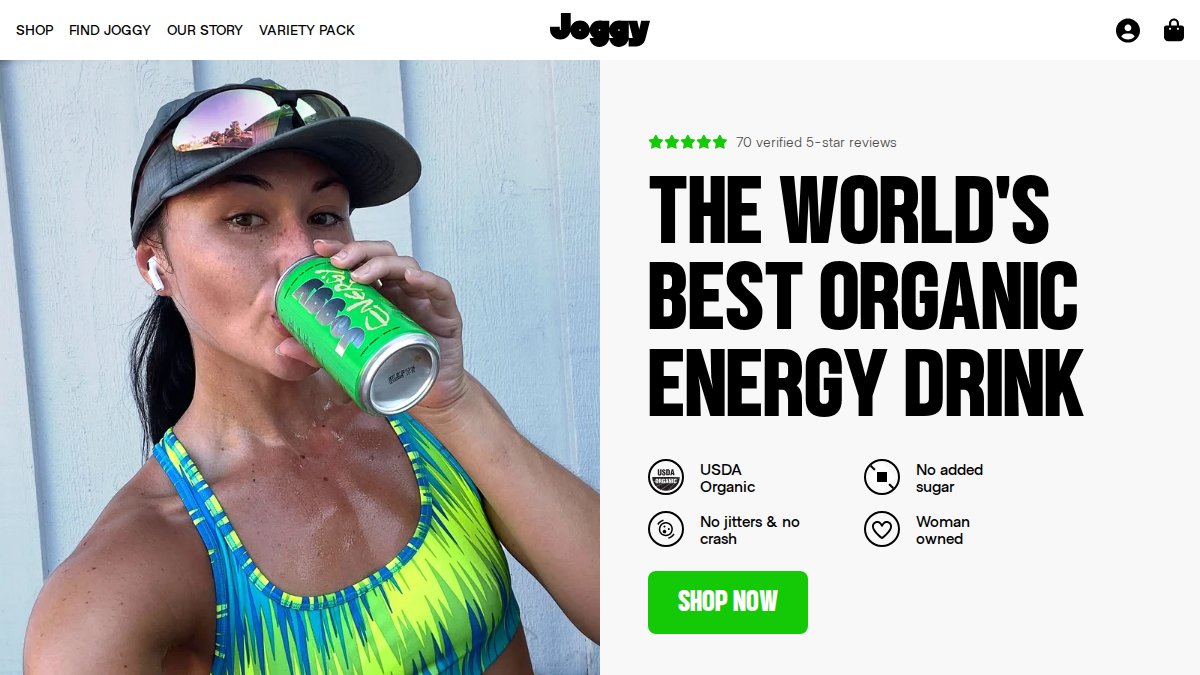
A photo of a runner preparing with a can before a session can help you picture where the drink fits.
1. Cherry Lime: Tart Citrus Energy Without Added Sugar
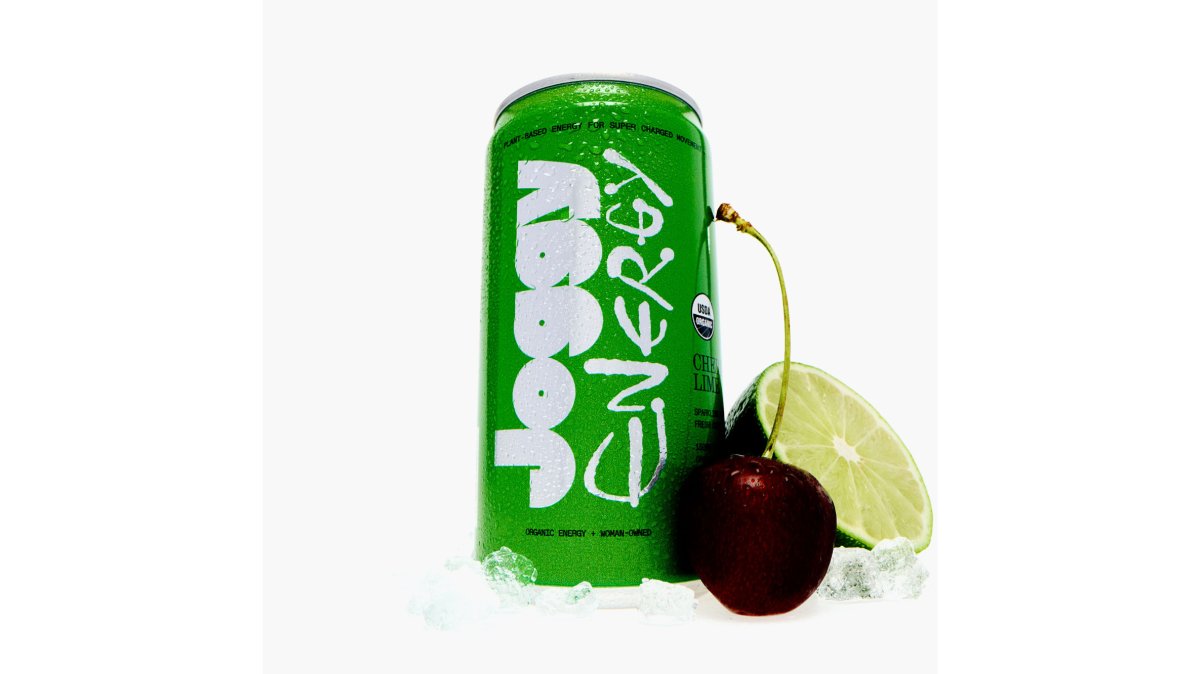
Cherry Lime is the flavor to start with if you like a sharp, citrusy taste. The listing describes 150mg of naturally occurring organic caffeine per serving, sourced from AmaTea Max, with no added sugar, organic juice and vegan, non-GMO and gluten-free labels. See the Cherry Lime product page for the full label and purchase details.
The drink uses organic guayusa extract as its caffeine source.
Cherry Lime costs $64.99 as a one-time purchase. Drink it when you need energy for a workout, or in place of a morning coffee.
Best for: women who want a tart, clean-tasting drink before training. Skip if: you need a high-volume powder with a large per-serving dose.
2. Pineapple Crush: Tropical Lift for Early Sessions
Pineapple Crush uses the same base as Cherry Lime, with 150mg of naturally occurring caffeine per serving, no added sugar and organic juice.
Like Cherry Lime, it is vegan, non-GMO and gluten-free, and it costs $64.99 per unit. View the Pineapple Crush product page to see the full ingredient list and order it.
Best for: early morning sessions when you want a sweeter, tropical flavor. Skip if: you want a lower-caffeine option, since this drink is listed at the same 150mg per serving.
3. Joggy Energy and the Variety Pack: Trying Every Flavor
If you are not sure which flavor you like, the Variety Pack includes equal quantities of Cherry Lime, Solar Mango and Pineapple Crush. It costs $35.99 and lets you try all three before you commit to a full set. Browse the Variety Pack to see what is included.

Joggy Energy is the base product, described as tasting like juice with a clean hit of organic energy and no crash. Its listing sets a starting price of $35.99. Open the Joggy Energy product page to see its full details before you choose.
Best for: readers who want to sample the range. Skip if: you already know your favorite flavor and want to buy a larger quantity of one.
Pre-Workout Foods for Women to Pair With Your Drink
A drink is one part of a pre-workout routine, but food can do more than fill your stomach, it can supply steady energy, support hydration, and even replace stimulants entirely. Most competitors stop at "eat a banana," so here is a concrete, stimulant-free playbook you can use with or without a caffeinated drink.
Why food-first matters
A common pattern is to eat a small, easy-to-digest snack 30-60 minutes before training. Larger meals need 2-3 hours to settle. The goal is to avoid heavy stomach feelings while still topping off energy.
Stimulant-free pre-workout food combinations
If you want zero caffeine, or you train in the evening and need to protect sleep, these combinations are practical and grounded in everyday nutrition:
- Banana + a tablespoon of almond butter, quick carbs plus a little fat and protein for staying power. About 150-200 calories.
- Oatcakes or a small bowl of oats with yogurt, slow-release carbs and protein; good 60-90 minutes before strength training.
- Apple slices + a handful of walnuts, fiber, carbs, and fats; portable and gentle on the stomach.
These are food-first options, not medical advice. If you have diabetes, digestive conditions, or specific dietary needs, adjust portions with a clinician or dietitian.
Pairing food with a caffeinated drink
If you use a drink like Joggy (150 mg caffeine per can), keep the snack small and low in fat and fiber to avoid slow digestion. A banana, a few dates, or a small glass of juice works well. Avoid heavy meals within an hour of training. For evening workouts, consider a caffeine-free food option instead of a caffeinated drink to protect sleep.
Hydration and electrolytes
Water matters, especially for sessions over 60 minutes or in heat. Electrolytes, sodium, potassium, magnesium, help maintain fluid balance. A simple homemade option is water with a pinch of salt and a squeeze of lemon. For most recreational workouts under an hour, water and a normal diet are enough.
A note on 'natural' food choices
Whole foods are naturally free of proprietary blends and label ambiguity. When you choose packaged snacks, read the ingredient list and look for third-party testing if you are sensitive to additives. The same scrutiny you apply to supplements applies to bars, drinks, and powders.
Quick reference: food vs. drink
| Option | Caffeine | Best timing | Notes |
|---|---|---|---|
| Banana + almond butter | 0 mg | 30-60 min before | Gentle, portable |
| Oats + yogurt | 0 mg | 60-90 min before | Sustained energy |
| Beetroot juice (250 ml) | 0 mg | 2-3 hours before | Nitrate-rich; may tint urine |
| Joggy can | 150 mg | 20-30 min before | Plant-derived caffeine; check label |
| Water + electrolytes | 0 mg | During/after | Useful in heat or long sessions |
Use this table as a starting point, not a prescription. The best choice depends on your workout type, time of day, and how you respond to caffeine and food.
Picking the Right Natural Pre-Workout for Your Next Session
Choosing a natural pre-workout is not about finding one perfect product, it is about matching caffeine level, format, and timing to your workout, your body, and your schedule. Competitors often list products without a decision framework. Here is a practical guide that adds the personalization and safety detail most articles skip.
Step 1: Define what 'natural' means to you
'Natural' is not a regulated term on supplement labels. It can mean plant-derived caffeine (such as from guayusa, green tea, or coffee), no synthetic additives, organic certification, or simply minimal processing. Before you buy, check:
- Caffeine source, plant extracts vs. synthetic caffeine. The amount per serving matters more than the source for effects.
- Third-party testing, seals like NSF Certified for Sport or Informed Sport indicate independent verification. Absence of a seal does not mean a product is unsafe, but it means less transparency.
- Proprietary blends, these hide individual ingredient doses. If a label lists a blend, you cannot verify how much of each ingredient you get.
Step 2: Match caffeine to your workout and schedule
Caffeine sensitivity varies widely. A common starting point for adults is up to 200 mg per session, but many women prefer 100-150 mg.
| Workout type / timing | Caffeine suggestion | Format ideas |
|---|---|---|
| Early morning strength training | 100-150 mg | Joggy can (150 mg), coffee, matcha |
| Afternoon cardio or HIIT | 150-200 mg if tolerated | Green tea, coffee, caffeinated drink |
| Evening workout | 0-50 mg | Caffeine-free food, beetroot juice, decaf tea |
| Beginner or caffeine-sensitive | 50-100 mg or none | Half a can, green tea, food-first |
| Long endurance session | 100-200 mg plus electrolytes | Drink + electrolyte tab |
These are general ranges, not prescriptions. Start low and note how you feel over the next hour.
Step 3: Consider your life stage and individual response
Energy, symptoms, and caffeine tolerance can vary across the menstrual cycle, during perimenopause and menopause, and with sleep, stress, and medication. Some women find they need less caffeine before their period or during times of poor sleep. Others notice no difference. There is no one-size-fits-all rule, so track your response in a simple note for a few weeks.
Step 4: Choose a format that fits your routine
- Cans and ready-to-drink, convenient, pre-measured, but check added sugar and serving size. Joggy lists 150 mg caffeine and no added sugar per can.
- Powders, flexible dosing, but you need to measure and mix. Watch for proprietary blends.
- Gummies, portable and easy, but doses are often low and may contain added sugar.
Step 5: Check safety and interactions
Caffeine can interact with some medications, including stimulants, certain antidepressants, and blood pressure medicines. It can also worsen anxiety or reflux in some people. If you are unsure, ask a pharmacist or clinician. For pregnancy, check with your clinician for personal guidance on caffeine.
A simple decision checklist
- What time is my workout? (Evening = low or no caffeine.)
- How sensitive am I to caffeine? (Start low if new.)
- What format will I actually use consistently?
- Does the label disclose caffeine amount and source?
- Is there third-party testing or a certification I trust?
- Do I have any health conditions or medications that require clinician advice?
Use this checklist before buying any product, including Joggy. The goal is clean energy that fits your body and routine, not just a trendy label.
Frequently Asked Questions
What can I drink for a pre-workout?
Water with a pinch of salt, coconut water, or a clean energy drink with a measured caffeine dose all work before training. Joggy's Cherry Lime and Pineapple Crush each contain 150mg of naturally occurring caffeine per serving from AmaTea Max, a guayusa extract, with no added sugar and organic juice. Choose based on how you respond to caffeine and how long you train. If you already drink coffee, compare the caffeine amount against your usual cup before switching.
Is pre-workout okay for women?
Most women can use a pre-workout drink without issue when it fits their caffeine tolerance and health status. Joggy's drinks are vegan, non-GMO and gluten-free, with no added sugar. Caffeine sensitivity, pregnancy, blood pressure medication and heart conditions are reasons to check with a doctor first. Start with a single serving on a session you know well so you can judge how your body responds.
Should I eat 20 minutes before the gym?
A light snack 30 to 60 minutes before training is a common approach, while a full meal needs more lead time. If you drink a caffeinated beverage 20 minutes before the gym, the energy effect tends to arrive quickly, so a small carbohydrate source such as a banana or toast can help you avoid feeling flat. Adjust the timing to what keeps your stomach comfortable during your specific workouts.
What is the best natural pre-workout for women?
The best choice depends on the caffeine level you want, your taste preference and whether you train in the morning or late in the day. Joggy Energy and its flavors use organic guayusa as the caffeine source and add L-Theanine in the formula, which the brand positions as a way to avoid jitters and the crash. The Variety Pack lets you try Cherry Lime, Solar Mango and Pineapple Crush before committing to one flavor.
