

Natural Energy Drinks for Women: 4 Picks Compared
Last Updated: November 5, 2026
Quick Summary
Women looking for natural energy drinks should read the label first, checking caffeine milligrams per serving, added sugar grams, and whether the ingredients are disclosed. Natural branding is not regulated, so a clean-looking can can still carry a high caffeine load.
- Check total caffeine in milligrams per serving, not just the caffeine source.
- Look at total sugar grams per can; agave and honey still spike blood sugar.
- Be wary of proprietary blends that hide how much of each active ingredient you get.
- Check whether the label numbers are per serving or per can before comparing products.
- Talk to a clinician before use if you are pregnant, breastfeeding, or taking prescription drugs.
Table of Contents
- Why Women Are Looking for Natural Energy Drinks
- What to Look for in a Natural Energy Drink
- Natural Energy Drinks for Women Over 40
- Comparing the Joggy Lineup: Cherry Lime, Pineapple Crush, Joggy Energy and the Variety Pack
- Natural Energy Drink Powder and Making Your Own at Home
- What to Drink to Boost Energy Naturally Beyond Energy Drinks
- Choosing Your Joggy Flavor for Your Next Workday
- Frequently Asked Questions
Why Women Are Looking for Natural Energy Drinks
Women are reaching for natural energy drinks because they want lift without the jitters and the crash that come with many standard options. The global energy drinks market was estimated at USD 85.25 billion in 2025 (Forbes coverage of the energy drink boom), and the women's segment is growing fast, with one market report projecting it to rise from USD 1.40 billion in 2025 to USD 3.88 billion by 2034 (Growth Market Reports women's energy drinks analysis).
Customers often ask for a drink that tastes like juice, supports focus during a demanding workday, and fits an active routine. Energy drinks positioned for women are also named as a 2026 industry trend by Glanbia Nutrition's 2026 energy drink trends overview, which highlights natural energy and drinks built for women.
Natural does not mean risk-free, though. Compare natural pre-workout options for women to see how different choices stack up. Experts quoted by STAT's coverage of wellness-branded energy drinks warn that wellness branding can hide the health risks of high caffeine intake. A 2015 review in Nutrients concluded that energy drinks may help physical performance while also carrying possible harms. So the smart move is to read labels closely, know your caffeine limit, and choose a drink that fits your routine.
What to Look for in a Natural Energy Drink
A natural energy drink is only as good as what is actually inside the can, and the label tells you most of what you need to know, if you know where to look. Work through these five checks in order before you buy.
1. Caffeine source and dose per serving. The source matters less than the total milligrams, but it still shapes how the lift feels. Common natural sources include green tea extract, matcha, guayusa, yerba mate, and coffee fruit. A 150mg can is roughly comparable to a strong cup of coffee; a 200mg can is closer to two. Check the number on the label rather than assuming a "natural" drink is gentle, some plant-based cans carry as much caffeine as a standard energy drink. If you also drink coffee, tea, or take a pre-workout, add those milligrams to your daily total.
2. Added sugar and sweeteners. Sugar is where many energy drinks quietly undercut the "natural" claim. Look at total grams per can, not just "no high-fructose corn syrup." A drink sweetened with agave, honey, or cane sugar still delivers a sugar spike and the slump that follows. If you want a steadier lift, favor cans with no added sugar or a low gram count, and check whether non-nutritive sweeteners such as stevia, monk fruit, or erythritol are used, some women find certain sweeteners upset their stomach.
3. Functional ingredients and evidence quality. Vitamins B6 and B12, vitamin C, and electrolytes are common and generally well understood. Adaptogens and herbal extracts, ashwagandha, rhodiola, ginseng, L-theanine, maca, are where claims often outrun evidence. L-theanine paired with caffeine has reasonable support for smoothing the jittery edge of stimulants; other adaptogens have thinner, mixed research. Treat bold cognitive or hormonal claims as marketing until you see a dose and a study behind them.
4. Certifications and ingredient list length. Organic, non-GMO, vegan, and gluten-free labels are useful shortcuts, but they are not safety guarantees. A short list of recognizable ingredients is usually a better sign than a long "proprietary blend," which can hide how much of each active ingredient you are actually getting. If a blend does not disclose per-ingredient amounts, assume you cannot judge the dose.
5. Serving size versus can size. Some cans hold two servings, which doubles the caffeine and sugar if you drink the whole thing. Check whether the numbers on the label are per serving or per can before you compare products.
Watch out: "natural" and "wellness" branding are not regulated the way drug claims are, so a clean-looking can can still carry a high caffeine load or an herbal extract that interacts with medication. If you are pregnant, breastfeeding, managing a heart condition, or taking prescription drugs, run the ingredient list past a clinician before making it a habit.
Natural Energy Drinks for Women Over 40
Women over 40 often notice that caffeine hits harder and that sleep is lighter, so a smoother energy source can make a real difference. Pairing a lower-jolt drink with hydration and regular movement tends to work better than relying on a large dose of stimulant.
Our Joggy drinks are built around a guayusa-based caffeine source with L-Theanine, formulated for a clean, focused energy boost without the jitters or the crash. Keep your total daily caffeine in mind, and talk with your doctor if you take medication or have a heart condition.
Comparing the Joggy Lineup: Cherry Lime, Pineapple Crush, Joggy Energy and the Variety Pack
Our lineup gives you a few clear options. Each one has the same core formula, so the choice comes down to flavor and how many cans you want to try.
Cherry Lime
Cherry Lime is our bright, tart option. Each can includes 150mg of naturally occurring organic caffeine per serving, with no added sugar and an organic juice base. It is vegan, non-GMO, and gluten-free. Choose it if you want a crisp, citrus-forward drink for a workout or a midday push.

Pineapple Crush
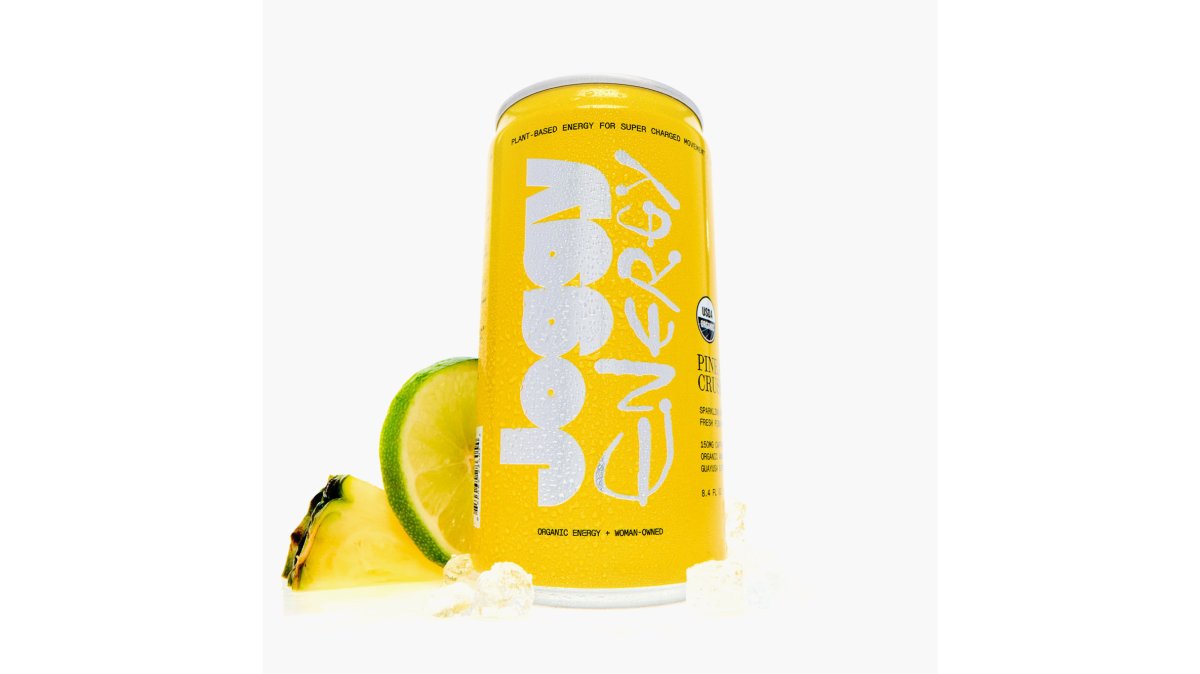
Pineapple Crush is the sweeter, tropical pick. It carries the same 150mg of naturally occurring caffeine and the same no-added-sugar, organic-juice formula. Choose it if you prefer a fruit-forward flavor.
Joggy Energy and the Variety Pack
If you are not sure which flavor you prefer, the Variety Pack includes equal quantities of Cherry Lime, Solar Mango, and Pineapple Crush. It is the easiest way to sample our range before you commit to a full case. Joggy Energy is our core drink, built for a clean hit of energy without the crash.


| Product | Price | Caffeine per can | Sugar | Best for |
|---|---|---|---|---|
| Cherry Lime | $64.99 | 150mg | No added sugar | Workouts and bright flavor |
| Pineapple Crush | $64.99 | 150mg | No added sugar | Tropical, fruit-forward taste |
| Joggy Energy | $35.99 | Organic guayusa caffeine | No added sugar | A clean, everyday lift |
| Variety Pack | $35.99 | Mixed flavors | No added sugar | Trying the full range |
Natural Energy Drink Powder and Making Your Own at Home
Powders and homemade mixes are another route to a natural lift. Many people blend green tea, matcha, coconut water, or cold-brewed yerba mate with citrus and a little ginger. These options let you control the caffeine and sweetness directly, which is useful if you find ready-made drinks too strong.
The trade-off is convenience and consistency. A powder is easy to carry, but the caffeine amount can vary by brand, so check the label. Homemade drinks give you full control, yet they take time and can be harder to dose precisely. Choose the route that fits how much effort you want to put in each morning.
What to Drink to Boost Energy Naturally Beyond Energy Drinks
An energy drink is a tool for a temporary lift, not a fix for ongoing fatigue. Learn practical steps to stop caffeine jitters and crashes if you want other ways to manage your energy. The most useful question is not "which drink is strongest" but "what is actually draining me right now", because the right drink depends on the answer. Match the option to the cause and the goal.
If you are mildly dehydrated: water or an electrolyte drink is often enough. Dehydration is a common and under-recognized cause of afternoon sluggishness, and it can mimic the fog people reach for caffeine to fix. A pinch of salt and a squeeze of citrus in water works as well as a packaged electrolyte mix for most everyday cases.
If you want gentle alertness without a jolt: green tea, white tea, or matcha deliver a lower caffeine dose (roughly 25-50mg per cup depending on strength) alongside L-theanine, which many people find takes the edge off the stimulant. Herbal options such as peppermint or ginger tea are caffeine-free and useful when you want the ritual of a hot drink without adding to your daily caffeine total.
If you want caffeine-free hydration with flavor: sparkling water with citrus, cold-brewed hibiscus, or a fruit-and-herb infusion gives you something to sip without stimulants. These are the right pick in the late afternoon or evening when caffeine would cost you sleep.
If you are heading into a workout: a lower-dose caffeinated drink 30-45 minutes beforehand, plus water and electrolytes, tends to work better than a large dose right before you start. Pair it with a small carbohydrate snack if you have not eaten.
If the slump is a blood-sugar dip: a snack combining protein, fiber, and a little carbohydrate, Greek yogurt with fruit, nuts with an apple, or a protein-rich smoothie, often does more than any can. A fruit-based smoothie with yogurt or a plant protein base is a good bridge between a drink and a meal.
If fatigue lasts for weeks: drinks will not fix it. Persistent tiredness can point to poor sleep, low iron or other nutrient gaps, thyroid issues, chronic stress, or other medical causes, all of which are more common in women at certain life stages. A clinician can check the basics rather than you self-treating with caffeine.
Watch out: using a stimulant drink to push through recurring fatigue can mask a problem that needs sleep, nutrition, or medical attention, and it can quietly raise your daily caffeine intake past a comfortable limit.
Choosing Your Joggy Flavor for Your Next Workday
For a workday, we recommend starting with Joggy Energy or the Variety Pack so you can find the flavor you enjoy most. If you train hard or want a stronger push, Cherry Lime or Pineapple Crush gives you the full 150mg dose in a clean, juice-based drink.
Whatever you pick, keep your daily caffeine in view, drink water alongside it, and pay attention to how your body responds. The right natural energy drink should leave you focused and ready to work, without the jitters or the crash.
Frequently Asked Questions
What is the healthiest energy drink for women?
A healthier energy drink for women usually has no added sugar, a moderate and clearly labelled caffeine dose, and recognisable ingredients. Joggy's Cherry Lime and Pineapple Crush list no added sugar, organic juice, and 150mg of naturally occurring caffeine per serving from AmaTea Max, a guayusa extract. Check the label for caffeine per can, since your daily limit depends on how much you drink across the day and on other caffeine sources like coffee or tea.
How much caffeine should women have in an energy drink?
Caffeine tolerance varies, and the right amount depends on your health, medications, pregnancy status and sensitivity. Many people use the 150mg per serving listed on Joggy's Cherry Lime and Pineapple Crush as a reference point, then keep total daily caffeine in mind if you also drink coffee or tea. If you notice jitters, a racing heart or sleep problems, reduce your intake or check with a healthcare professional.
Are natural energy drinks better than regular energy drinks?
Natural energy drinks often use plant-based caffeine sources and avoid added sugar, which can mean less of a sugar spike and fewer synthetic ingredients. Joggy's drinks are organic, vegan, non-GMO and gluten-free, and are made with AmaTea Max, a guayusa extract. Natural still does not guarantee a gentler effect on everyone, so compare caffeine per serving and read the full ingredient list.
Can you make a natural energy drink at home?
You can make a simple homemade energy drink with cold brewed green tea or yerba mate, a squeeze of citrus, a little fruit juice and sparkling water. Keep caffeine dosing in mind, since homemade versions have no label. If you want a ready-made option that is consistent from can to can, a pre-portioned organic drink such as Joggy Energy may be easier to fit into a busy routine.
